VisiFlora Benefits: Eye Health / Vision Support Support Explained
VisiFlora benefits are best described in terms of its intended support and verified formula, without turning ingredient research into promises about the finished product.
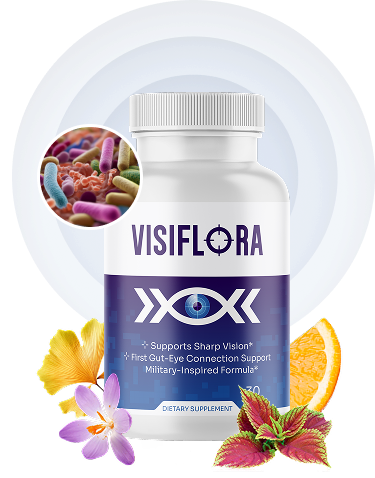
Table of Contents
What Are the Main Benefits of VisiFlora?
The following points summarize the product’s intended support or practical value.
- Everyday Vision Support — Designed to support daily visual wellness as part of a consistent nutrition routine.
- Retinal and Macular Support — The formula is positioned to support the nutritional needs associated with retinal and macular function.
- Visual Clarity Support — Provides targeted nutritional support for maintaining clear, comfortable vision.
- Ocular Comfort — Includes a range of nutrients and botanicals selected for an eye health routine that also considers ocular comfort.
- Broad Nutritional Coverage — Combines 22 targeted components instead of relying on a single nutrient or ingredient.
- Convenient Once-Daily Use — One capsule with a meal and water keeps the routine simple and easy to remember.
- Carotenoid-Focused Formula — Lutein, zeaxanthin, beta carotene, astaxanthin, and lycopene give the formula a distinctive carotenoid profile.
- Botanical Variety — Bilberry, grape seed, saffron, ginkgo biloba, eyebright, and other botanicals complement the vitamin and mineral blend.
- No Stimulant Positioning — Suitable for shoppers looking for an eye supplement without stimulant ingredients.
- Vegetarian-Friendly Format — Offers a vegetarian-friendly option for shoppers comparing daily eye health supplements.
How Does VisiFlora Support Its Main Goal?
The formula is designed around the product’s stated purpose in Eye Health / Vision Support. Its components should be evaluated together with the label, directions, and the strength of evidence for individual ingredients.
Which Ingredients or Features Support These Benefits?
The most important listed components include Astaxanthin, Lutein, Zeaxanthin (from Marigold), Zinc (11mg), Vitamin C, Vitamin E, Grape Seed Extract, Bilberry Extract. For a deeper breakdown, see the ingredients guide.
Who May Consider VisiFlora?
It may appeal to people whose goals match the product’s intended use and who have reviewed the ingredient or feature profile.
- Adults seeking daily nutritional support for eye health
- Shoppers interested in a gut-eye nutritional approach
- People looking for lutein and zeaxanthin in a daily formula
- Those who prefer stimulant-free supplements
- Vegetarians comparing eye health supplement options
- Anyone who prefers a one-capsule daily routine with a meal
How Does VisiFlora Compare With Typical Alternatives?
Rather than inventing competitor statistics, compare products using verifiable dimensions such as ingredient transparency, serving format, package pricing, return policy, and whether claims are supported by appropriate evidence.
Frequently Asked Questions
What is VisiFlora?
VisiFlora is a daily nutritional supplement formulated to support eye health, visual clarity, ocular comfort, and retinal and macular function. It uses 22 targeted nutrients within a gut-eye nutritional approach.
How do I take VisiFlora?
Take one capsule daily with a meal and a glass of water. Following the stated serving guidance helps keep use consistent.
What ingredients are included?
The formula includes ingredients such as lutein, zeaxanthin from marigold, astaxanthin, vitamins C and E, zinc, grape seed extract, bilberry extract, taurine, and saffron extract. It also includes additional vitamins, minerals, amino acids, and botanicals for a total of 22 targeted nutrients.
Is VisiFlora vegetarian-friendly?
Yes. VisiFlora is described as vegetarian-friendly and stimulant-free.
Does VisiFlora require a subscription?
No. Orders are one-time purchases with no auto-ship subscription or recurring charges.
What package options are available?
The available options are 2 units: 8 total ( per unit); 3 units: 7 total ( per unit); 6 units: 4 total ( per unit). The 3-bottle and 6-bottle packages include free US shipping, while the 2-bottle package has a small shipping fee.
Are bonus materials included?
Three digital bonus ebooks are included with current packages. Availability and delivery details should be reviewed on the current offer page.
Is VisiFlora a treatment for an eye condition?
No. VisiFlora is a nutritional supplement and is not intended to diagnose, treat, cure, or prevent any disease. Individual results may vary, and questions about personal eye health should be discussed with a qualified healthcare professional.
Want to review the current VisiFlora options?
See VisiFlora Packages →Conclusion
The strongest benefit claims are the ones that stay close to the verified formula and intended product positioning. Use the ingredient guide and supplement guide for more context.
Scientific References
- Donoso A, González-Durán J, Muñoz AA et al.. "Therapeutic uses of natural astaxanthin: An evidence-based review focused on human clinical trials". Pharmacological research. 2021 Apr.
- Alugoju P, Krishna Swamy VKD, Anthikapalli NVA et al.. Health benefits of astaxanthin against age-related diseases of multiple organs: A comprehensive review. Critical reviews in food science and nutrition. 2023.
- Li LH, Lee JC, Leung HH et al.. Lutein Supplementation for Eye Diseases. Nutrients. 2020 Jun 9.
- Johra FT, Bepari AK, Bristy AT et al.. A Mechanistic Review of β-Carotene, Lutein, and Zeaxanthin in Eye Health and Disease. Antioxidants (Basel, Switzerland). 2020 Oct 26.
- Fleckenstein M, Schmitz-Valckenberg S, Chakravarthy U. Age-Related Macular Degeneration: A Review. JAMA. 2024 Jan 9.
- Algarin YA, Pulumati A, Jaalouk D et al.. The role of vitamins and nutrients in rosacea. Archives of dermatological research. 2024 May 2.
- Keenan TDL, Agrón E, Keane PA et al.. Oral Antioxidant and Lutein/Zeaxanthin Supplements Slow Geographic Atrophy Progression to the Fovea in Age-Related Macular Degeneration. Ophthalmology. 2025 Jan.
- Shi J, Yu J, Pohorly JE et al.. Polyphenolics in grape seeds-biochemistry and functionality. Journal of medicinal food. 2003 Winter.
References provide context for individual ingredients or topics and do not establish that the product itself has been clinically proven.